Resize images to 1440×600 (Responsive Hero Banner)
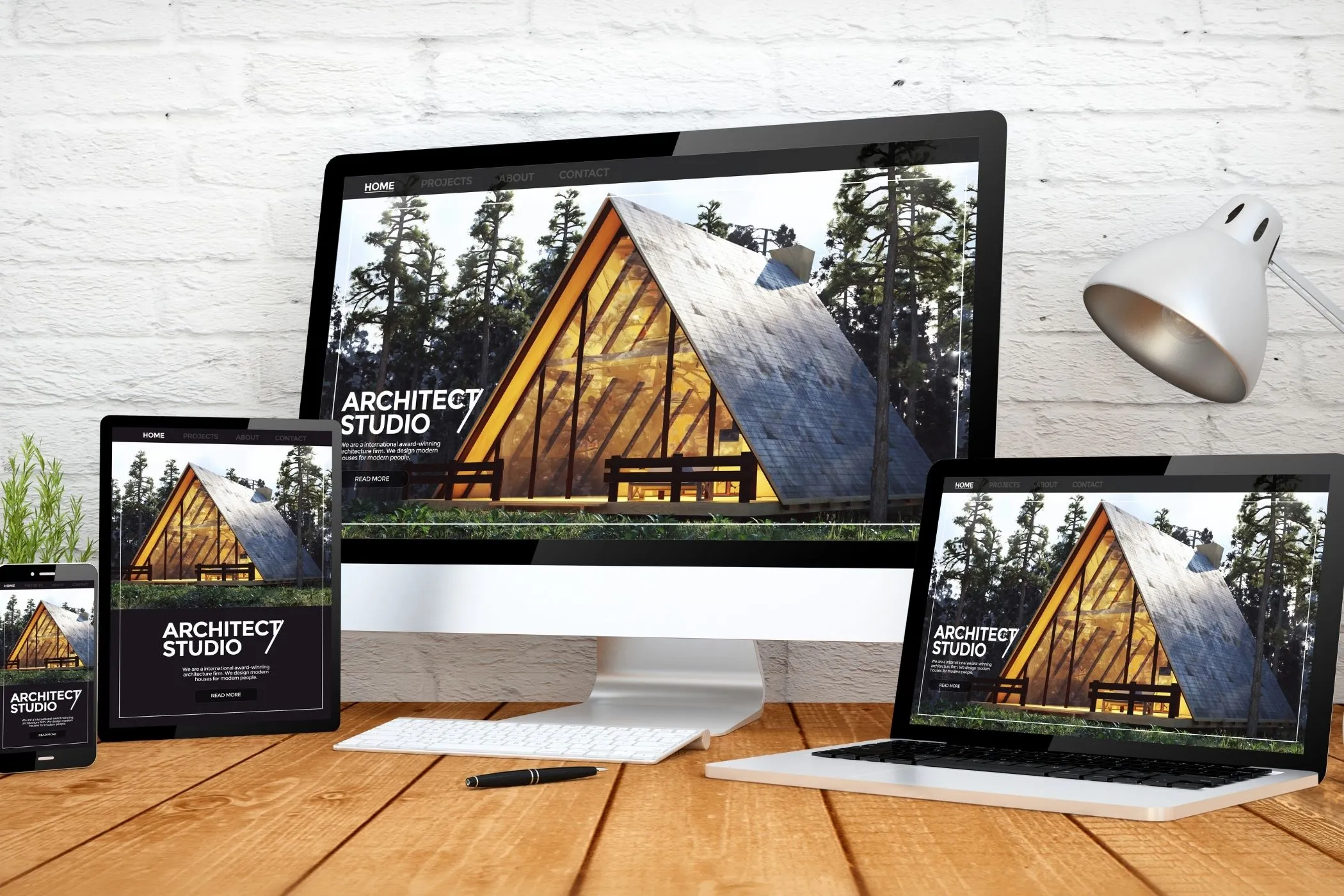
The 1440×600 resolution is commonly used for responsive hero sections, especially on smaller desktops and tablet devices. It maintains a wide, cinematic layout while adapting better to mid-sized screens.
Resizing an image to 1440×600 helps you create visuals that feel responsive, flexible, and UI-friendly, ensuring your design looks good across different devices.
This tool allows you to resize images to exact 1440×600 dimensions while preserving composition and visual clarity.
Everything runs locally in your browser, so your images stay private and processing remains fast.
Why 1440×600 matters in responsive design
Modern websites are built for multiple screen sizes. A hero image that works on a large monitor may not translate well to smaller devices.
The 1440×600 format is important because it:
- fits common desktop breakpoints (1440px width)
- adapts better to tablet and smaller screens
- reduces unnecessary image size compared to larger banners
- supports responsive UI layouts
Designing for this size ensures your visuals remain consistent across breakpoints.
What this 1440×600 resizer does
This tool resizes images into an exact 1440×600 banner frame using cover mode, ensuring full coverage without distortion.
You can:
- Drag & drop images into the tool
- Paste images directly from your clipboard
- Automatically fit images into a responsive hero canvas
- Preserve aspect ratio while filling the frame
- Resize multiple images at once
- Download individually or export as a ZIP
The preview updates instantly so you can confirm composition before exporting.
How to resize an image to 1440×600
1. Upload your image
Add your image by dragging it into the tool, selecting it manually, or pasting it from your clipboard.
Supported formats:
- JPEG
- PNG
- WebP
2. Automatic cover resizing
The tool applies a cover fit automatically.
This means:
- the image fills the full 1440×600 frame
- aspect ratio is preserved
- edges may be cropped slightly
This ensures a clean, responsive banner without stretching.
3. Export your resized image
Download the resized image instantly or export multiple images together as a ZIP file.
Safe area for responsive hero banners
Responsive hero sections often include UI overlays such as headings, navigation, and buttons.
To avoid layout issues:
- keep important content near the center horizontally
- leave space for text overlays and CTAs
- avoid placing key visuals near edges
Different devices may crop images differently, so central composition is essential.
Common uses for 1440×600 images
Responsive website hero sections
This is the primary use case.
1440×600 ensures:
- better fit on mid-sized screens
- consistent visual experience
- smoother responsive behavior
Tablet layouts
Tablet users often see slightly cropped or scaled versions of hero images.
This size helps maintain balance.
SaaS dashboards and UI previews
Smaller hero banners are often used in:
- dashboards
- onboarding screens
- feature previews
Marketing landing pages
Responsive banners are essential for campaigns targeting multiple devices.
1440×600 vs 1920×600 (quick comparison)
- 1920×600: large desktop hero banners
- 1440×600: responsive / mid-sized screens
Use 1440×600 when designing for flexibility across devices.
Composition tips for 1440×600 images
Design with breakpoints in mind
Your image should work across multiple screen sizes.
Keep focal points centered
Important elements should remain visible regardless of cropping.
Leave room for UI overlays
Text and buttons are often layered on top.
Avoid edge-dependent layouts
Edges are more likely to be cropped on smaller screens.
Why your responsive hero image might look wrong
Common issues include:
- inconsistent appearance across devices
- important elements being cropped
- layouts breaking at smaller widths
- poor alignment with UI elements
Using the correct size and designing for responsiveness solves most problems.
1440×600 resize use cases
This tool is especially useful when preparing images for:
- responsive hero sections
- tablet layouts
- SaaS interfaces
- landing pages
Resizing multiple images to this format helps maintain consistency across breakpoints.
How resizing works
The tool uses a cover resizing algorithm to fit your image into a 1440×600 canvas.
This means:
- The image is scaled proportionally
- It fills the entire frame
- Overflow is cropped from the edges
This preserves aspect ratio while ensuring a clean, distortion-free result.
All processing happens locally in your browser.
Perfect for
- developers building responsive layouts
- designers working with breakpoints
- SaaS founders optimizing landing pages
- marketers targeting multiple devices
- anyone who needs flexible hero banner images
Resize, export, and your image will adapt cleanly across modern responsive layouts.