10 Image Effects and When to Use Them
6 min read
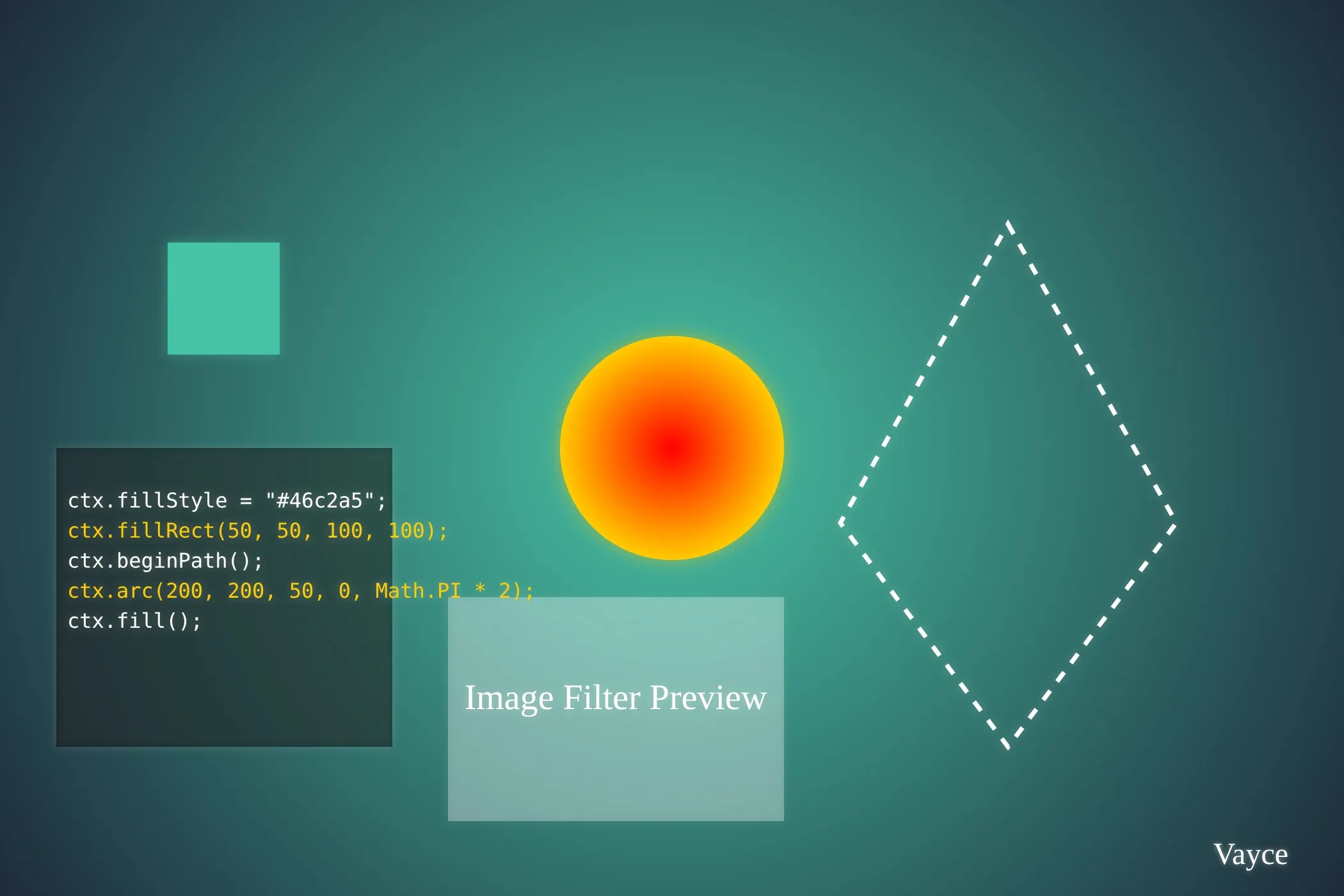
Learn how to use effects—like Blur, Tint, and Duotone—to make photos work for your layout. Move beyond basic adjustments to create better text contrast, brand consistency, and visual focus.
6 min read
Learn how to use effects—like Blur, Tint, and Duotone—to make photos work for your layout. Move beyond basic adjustments to create better text contrast, brand consistency, and visual focus.
5 min read
Learn what the duotone effect is, how it works, and why using two simple colors can instantly transform busy photos into clean, consistent visuals that improve readability and elevate your website design.
5 min read
Your brand’s best colors are often hiding in plain sight — inside your own photos, logos, and product shots. This guide shows beginners how to extract a clean, ready-to-use color palette directly from an image using the Vayce Image Color Palette Extractor.
3 min read
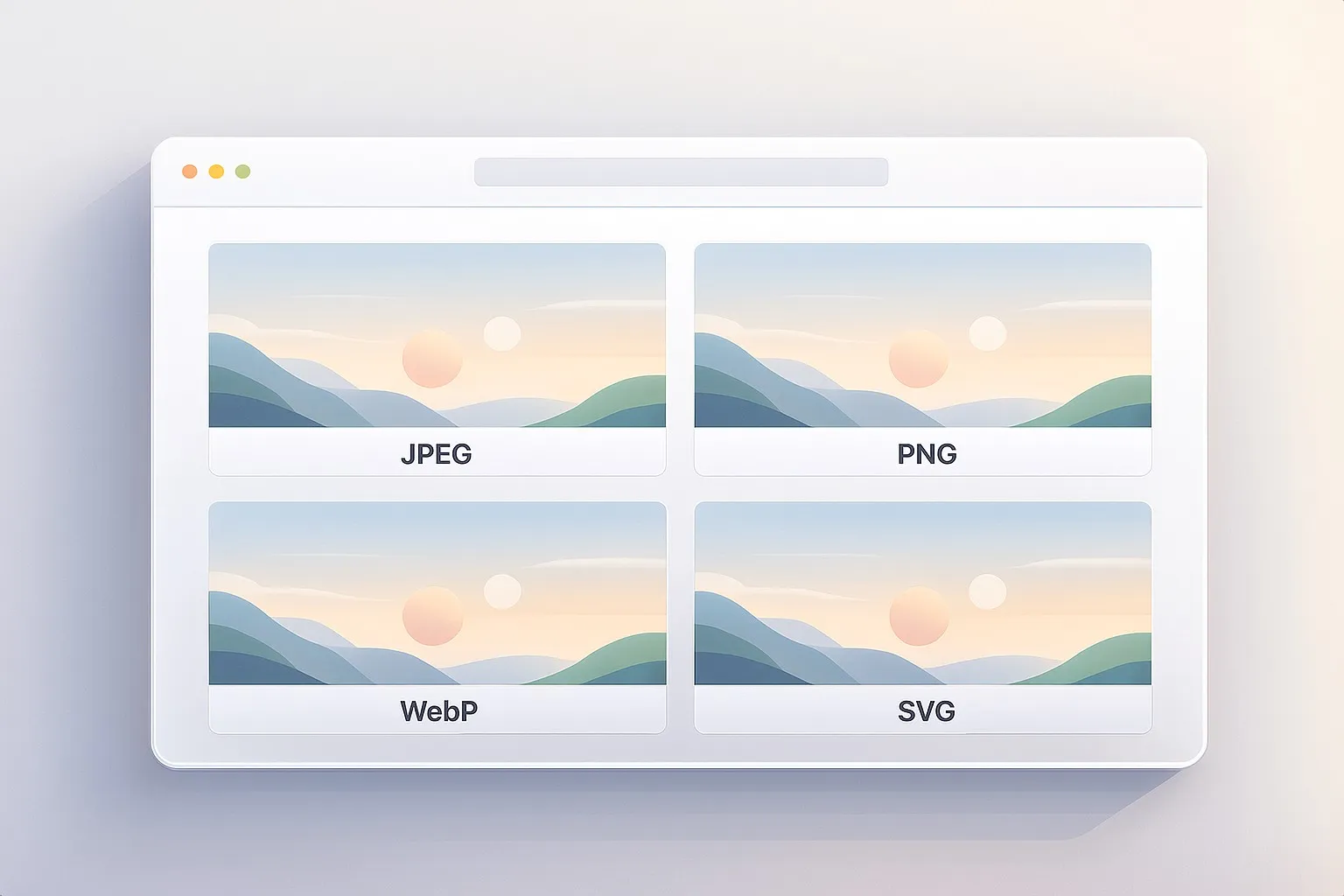
A four‑part guide that explains the core image formats used across the web — how they work, why they exist, and how to choose the right one for clarity, performance, and flexibility.
30 min read
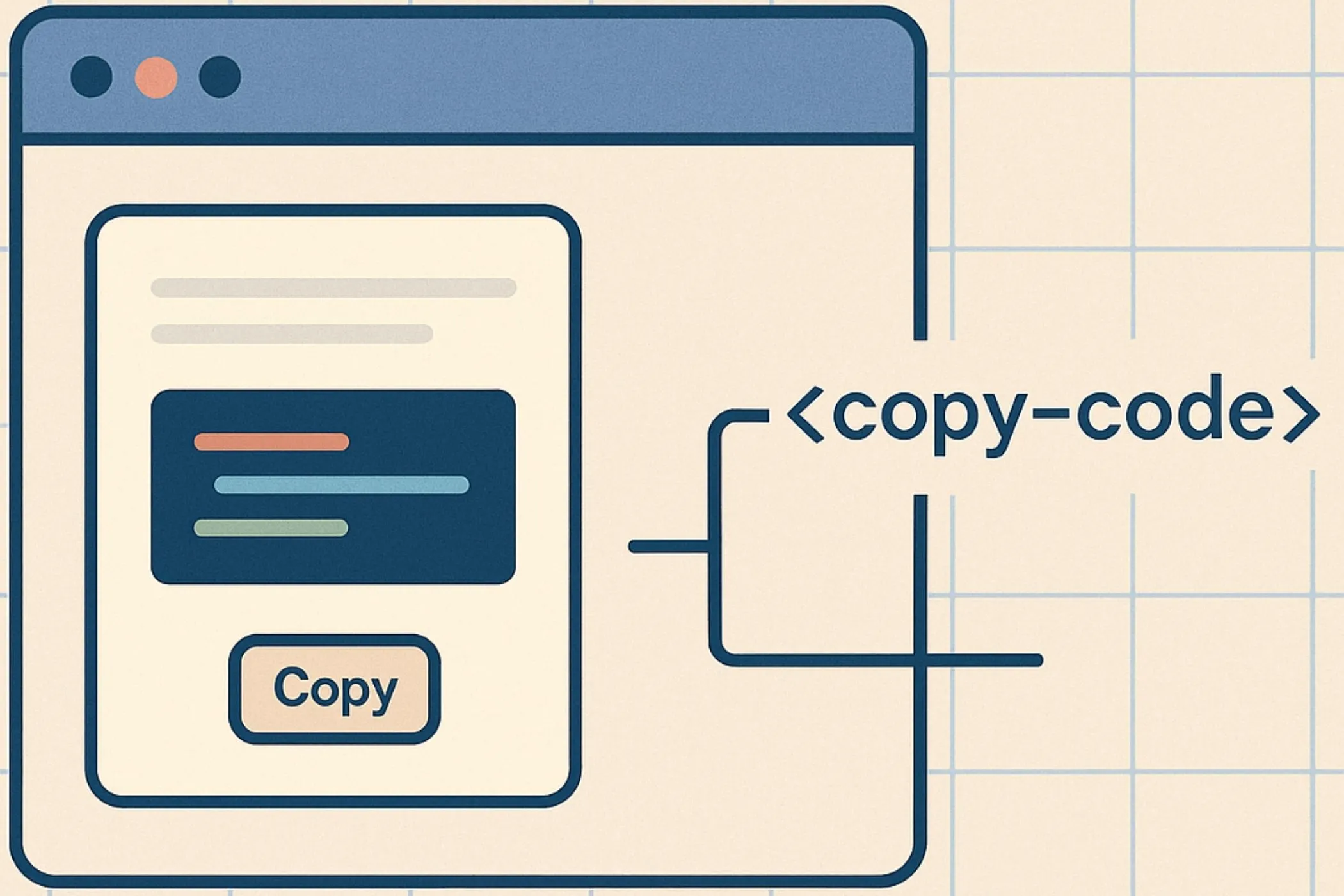
Web Components are the browser’s built-in component model: Custom Elements, Shadow DOM, and slots. They let you define your own HTML tags, encapsulate markup and styles, and build reusable widgets that feel native. This guide walks through how they work, why they exist, and how to build reliable components that drop cleanly into any page.
3 min read
A five‑part guide that shows you how to diagnose slow websites and fix the most common performance issues using the tools you already have — your browser.
8 min read
AI tools can generate anything you imagine if you know how to describe it. Here’s how to write prompts that make your images look like the ones in your head, not a random dream sequence.
7 min read
Finding images doesn’t need to be painful. Here are 10 solid, free stock‑image sites you can use right now — plus what to watch out for, and how to make the images web‑ready with your browser tools.
6 min read
How long should your paragraphs be on the web? Two lines? Five? Learn how paragraph length affects readability, SEO, and mobile experience — and how to measure it using the Vayce Word Counter.
5 min read
How long should a sentence be in online writing? Discover the ideal sentence length for readability and SEO — plus how to use the Vayce Word Counter to check your writing flow and structure.
5 min read
Every image lives somewhere: a product card, a hero, a feed, a story. Each space has its own rhythm. This guide explains which aspect ratios fit where, why they work, and how to crop them cleanly using the Vayce Image Cropper.
22 min read
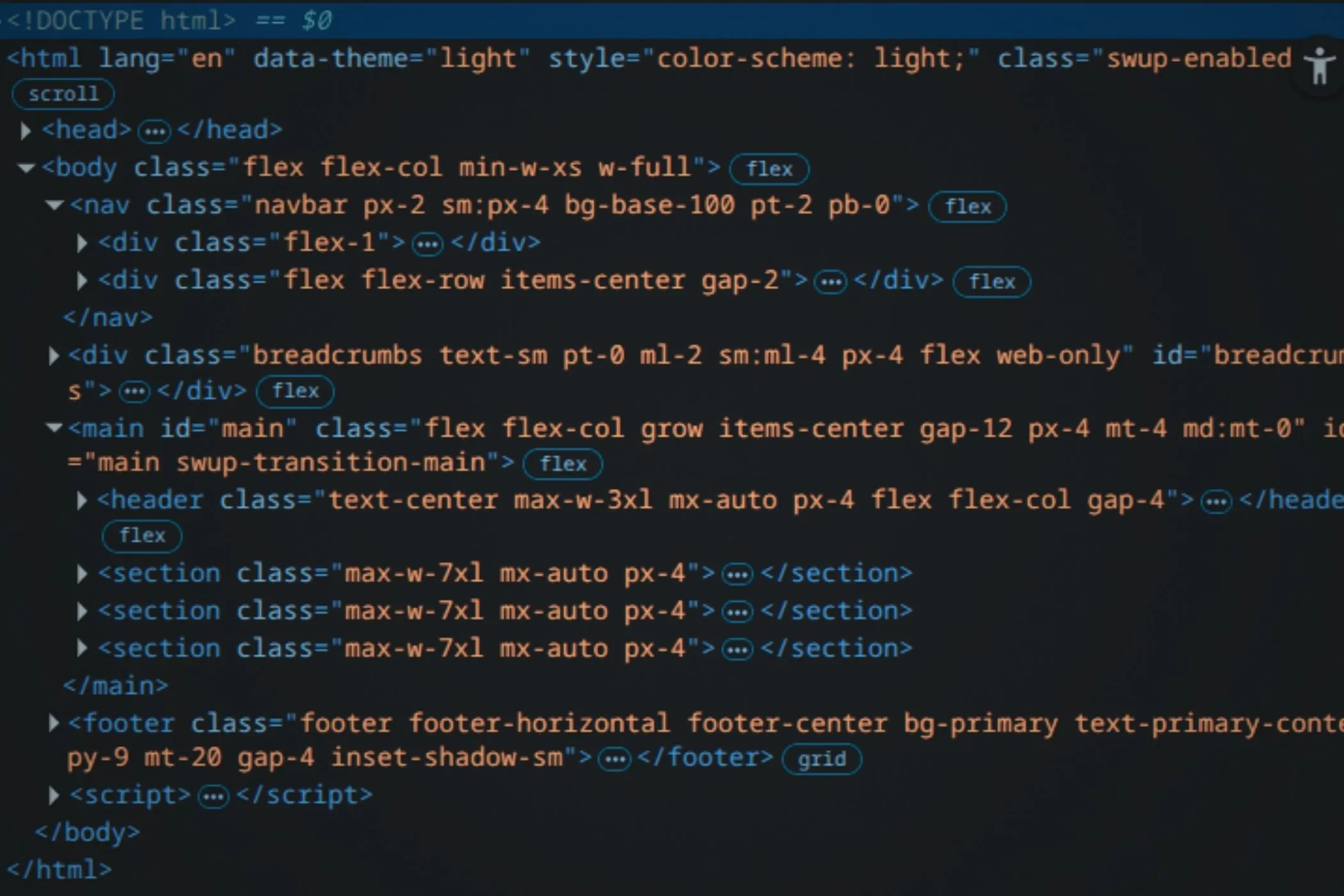
The DOM is how the browser understands and manages your page. It’s the structure that connects HTML, CSS, and JavaScript. This guide walks through how it’s built, how events move through it, and how you can work with it safely and efficiently.
10 min read
You press Enter. In milliseconds, the browser parses, connects, encrypts, and starts drawing. This article breaks down what really happens between keystroke and page load, the process behind DNS, TLS, and the first bytes of HTML

7 min read
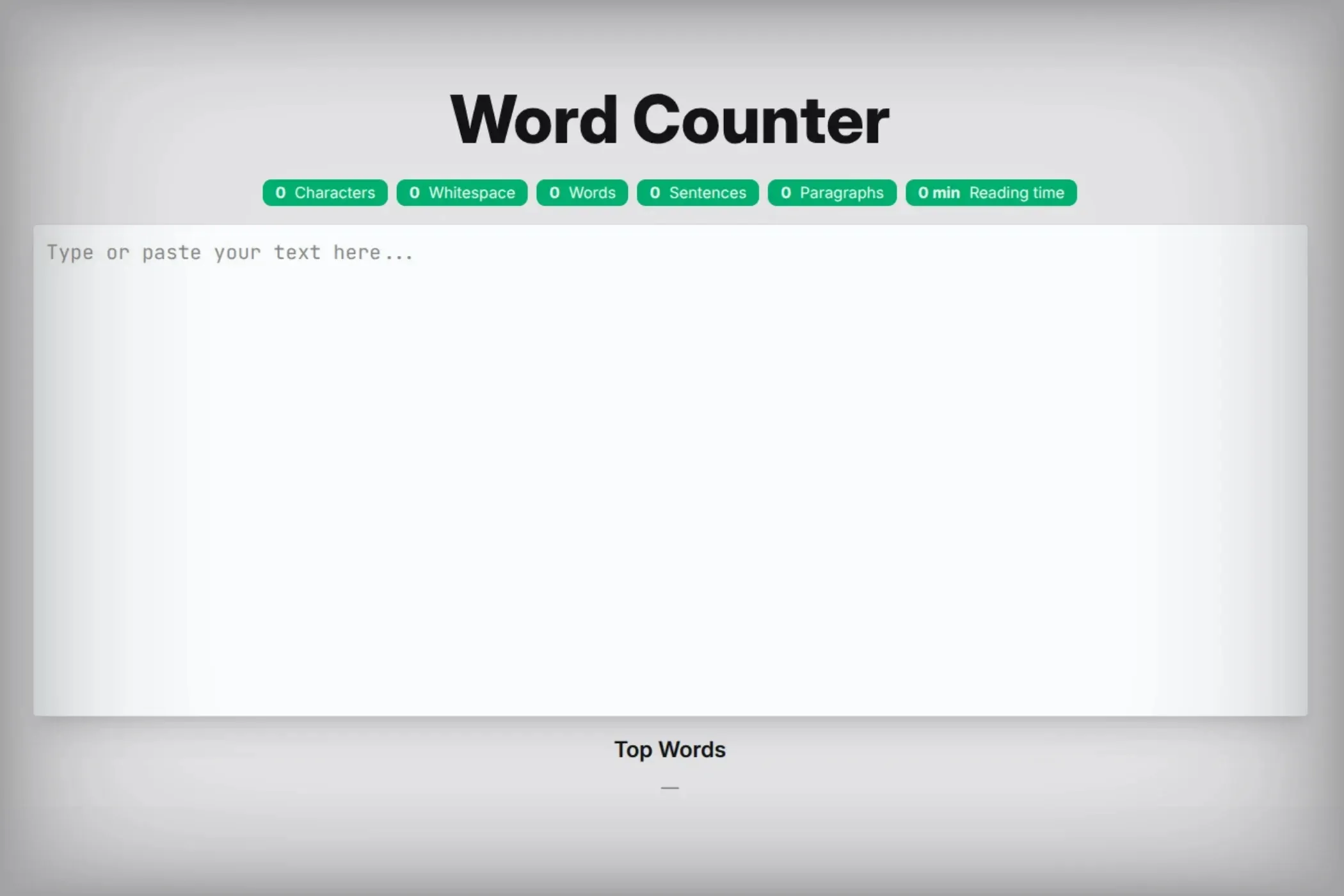
How long should a blog post really be? Forget arbitrary numbers — learn how to decide the right length for your topic, your reader, and your SEO goals. Plus, how to use the Vayce Word Counter to analyze your writing with real metrics.
28 min read
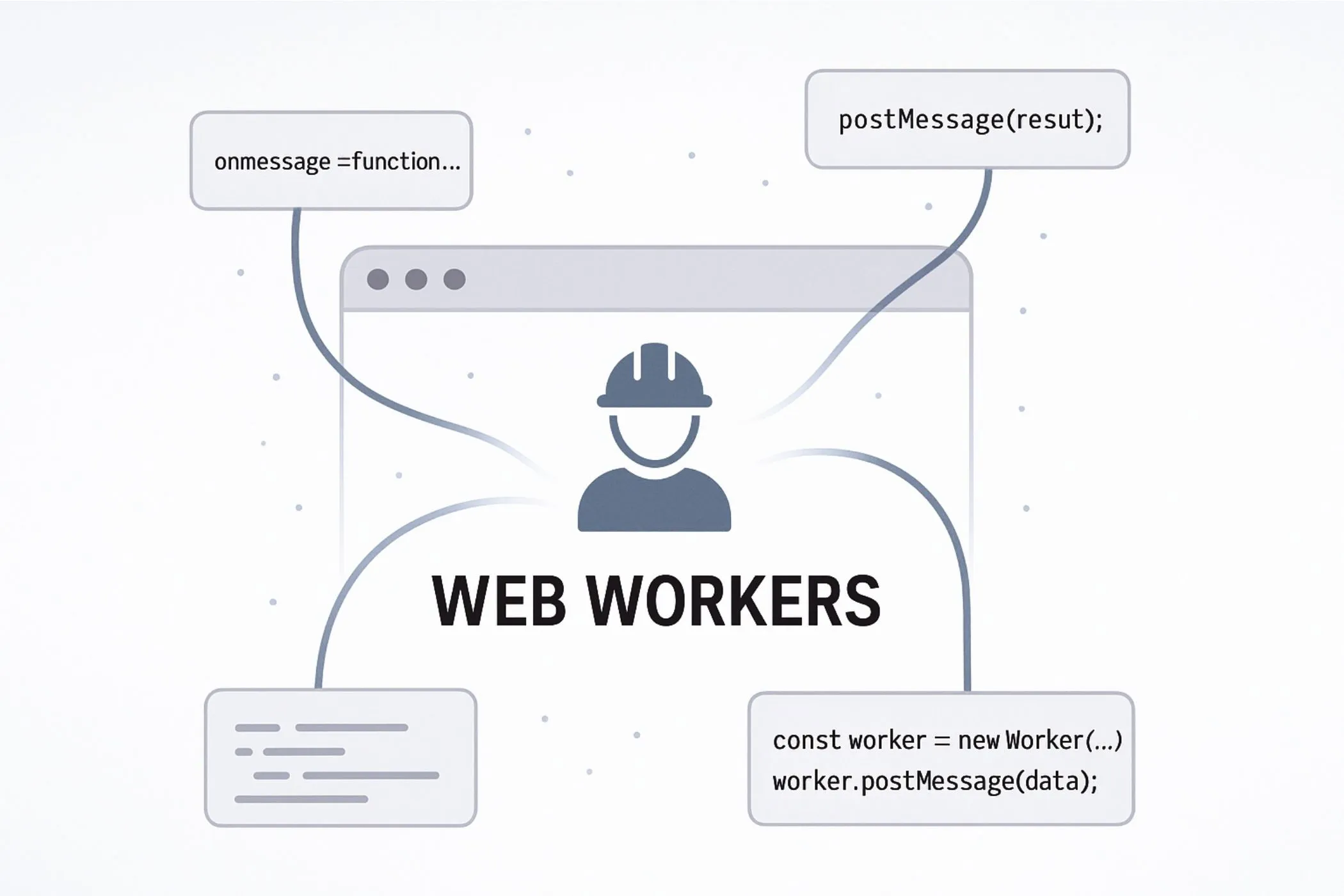
A complete guide to Web Workers. Run JavaScript in parallel, keep your UI smooth, and build faster tools in the browser.
7 min read
Explore how QR codes close the gap between real-world interactions and online engagement — guiding users from awareness to action in a single scan.
4 min read
A practical, human-friendly workflow for preparing fast, sharp, and consistent blog and social images — resize, convert, compress, and optimize entirely in your browser using Vayce.
5 min read
A complete, practical guide to responsive images. From understanding `srcset` and `sizes` to generating all your image versions instantly with the Vayce Image Resizer.
5 min read
Want to show readers how long your post takes to read? This guide explains why reading time builds trust, how to calculate blog post reading time and how to check it instantly with the Vayce Word Counter.
8 min read
How the Vayce Word Counter reads your text locally, from graphemes and emojis to sentences and reading time
22 min read
A complete guide to the Canvas API. The programmable surface that lets browsers draw, transform, and export pixels locally.
6 min read
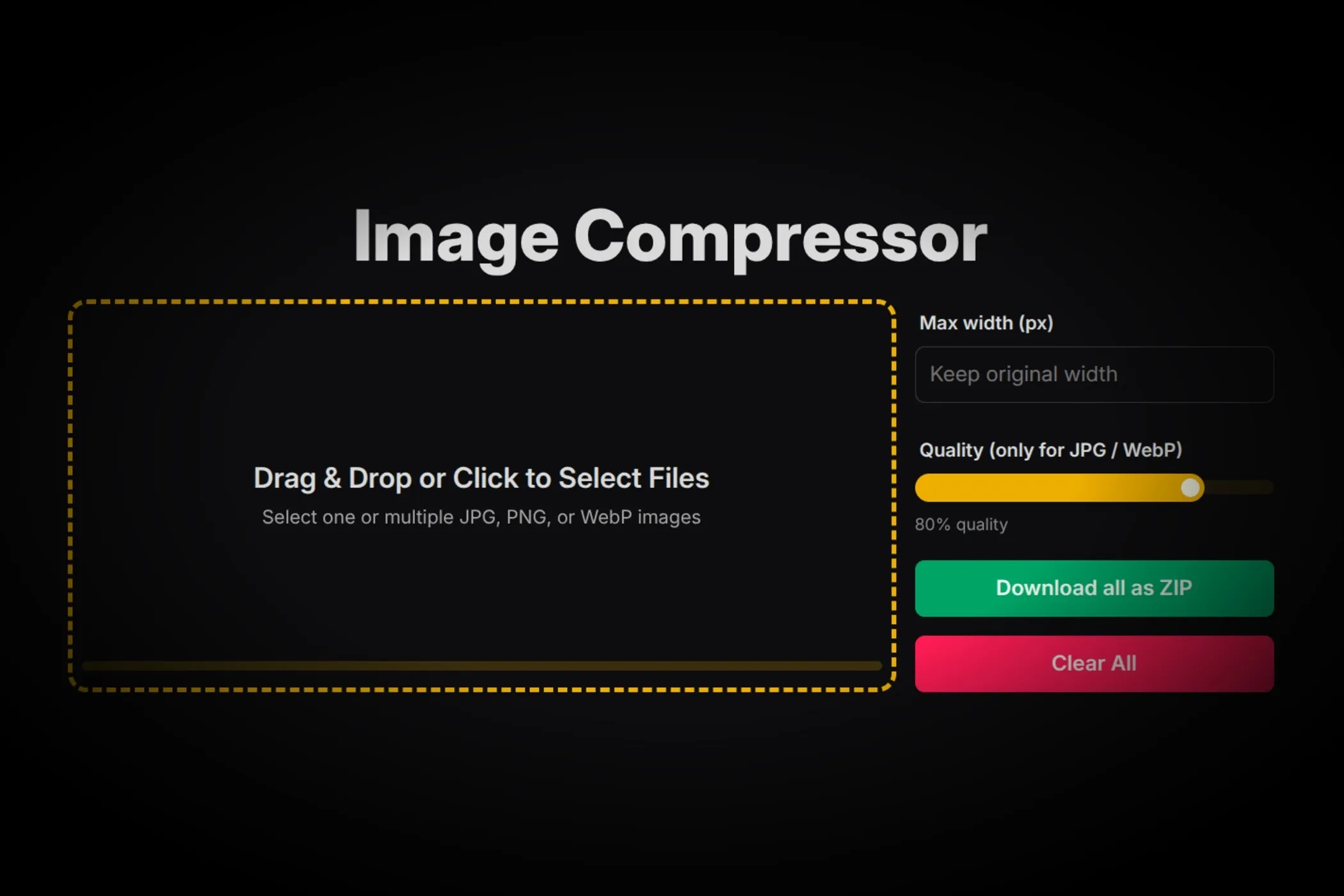
How the Vayce Image Compressor uses the browser’s own APIs to shrink images locally private, and entirely offline.
5 min read
Learn what progressive JPEGs really do, why they make images feel faster, and how to create and audit them directly in your browser - no uploads required.
9 min read
Clicking a link feels instant, but behind the scenes your browser streams bytes, builds trees, and paints pixels - all in a fraction of a second. Here’s what really happens when you load a web page.
7 min read
The Fetch API looks simple - but behind that one line of code is a full conversation between your browser and the web. Here’s what really happens when you fetch data.
6 min read
JPEG, PNG, or WebP? Learn which image format to use for speed, quality, and SEO - and how to convert instantly in your browser without uploading a single file.
8 min read
Clicking 'Upload' looks simple, but behind the scenes your browser slices, packages, and streams data through one of the web’s most complex handshakes. Here’s what really happens when you send a file - and why modern browsers make it faster and safer than ever.
4 min read
Learn how to compress images for web use: resizing, format choice, compression settings, and best practices - all while preserving visual quality.
9 min read
Clicking a download link feels instant, but behind the scenes your browser negotiates headers, streams bytes, and safely writes data to disk. Here’s what really happens when you download a file — and why modern browsers do it so efficiently.
7 min read
Discover the five metrics that shape writing flow - reading time, sentence length, paragraph rhythm, top words, and character count - and learn how those stats can be used to improve the pacing of your content.
8 min read
Pasting feels instant, but behind the scenes your browser negotiates formats, permissions, and privacy in milliseconds. Here’s what really happens when you paste text or images into a web page - and why it matters for modern creators.
9 min read
QR codes aren’t magic - they’re clever systems of geometry, encoding, and redundancy. Here’s how they work, why they’re resilient, and how the browser can both create and decode them.
5 min read
QR codes aren’t just black and white squares - they’re one of the simplest ways to connect the physical and digital worlds. Here’s how they work, why they matter, and how you can create one instantly in your browser.