Workflow & Usage
-
Add images
Drag & drop, paste, or click to select one or more JPG, PNG, or WebP files. Previews appear instantly. -
Set canvas size
Enter the desired canvas width and height in pixels.
Use Lock aspect ratio to maintain proportional dimensions while adjusting one side. -
Choose image position
Select where the image should sit inside the canvas using the 3×3 anchor grid (center, corners, or edges). -
Set background behavior
Keep the canvas transparent (for PNG/WebP), or enable background color and pick any color using the color picker and hex input. -
Fine-tune per image
Click Edit on any image card to override canvas size or position for that image only. The editor modal shows a live, accurate preview. -
Download results
- Click Download on a card to export a single image
- Or use Download all as ZIP to export the full batch at once
Use Cases
-
Prepare Images for Fixed Layouts
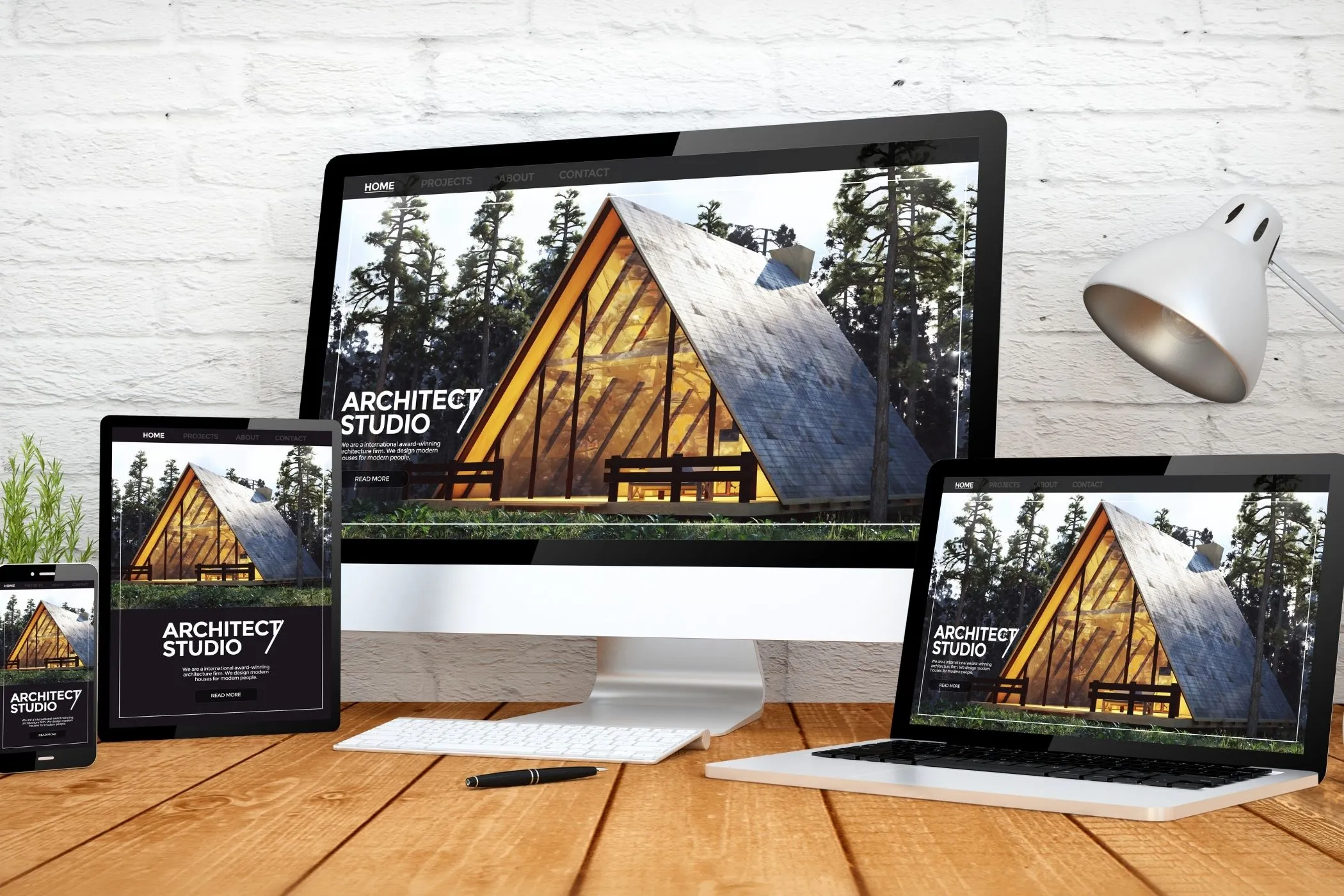
Fit images into exact dimensions required by websites, templates, or design systems without altering the image itself. -
Reframe Content
Move an image to the top, bottom, or corner of a canvas for banners, headers, or social graphics. -
Add Background Space
Create breathing room around photos, illustrations, or screenshots without editing the original content. -
Standardize Asset Dimensions
Normalize canvas sizes across mixed image sets for consistent grids and layouts. -
Social & Marketing Graphics
Place images precisely inside square, portrait, or landscape canvases for different platforms. -
Client Deliverables
Export clean, predictable image files — individually or as a single ZIP.
Tips for Best Results
- Use center anchoring for most cases. It’s the safest default when increasing canvas size.
- Unlock aspect ratio when needed. This allows precise control for fixed-width or fixed-height layouts.
- Prefer PNG or WebP for transparency. JPEG exports always flatten the background to white.
- Use the Edit modal for precision. The modal preview shows exactly how the final image will export.
- Resize before adjusting canvas if needed. Canvas changes do not affect image resolution.
If you want to resize images, use the Image Resizer.
If you want to crop images, use the Image Cropper.
How It Works
The Image Canvas Adjuster runs entirely in your browser, using modern web APIs:
- Images are decoded with
createImageBitmapfor fast rendering. - A new canvas is created using your specified width and height.
- The original image is drawn onto the canvas at the selected position without scaling.
- Transparent or solid backgrounds are applied based on format support.
- Images are re-encoded locally and downloaded individually or bundled using JSZip.
No accounts. No uploads. No tracking.
Just precise canvas control — done locally.