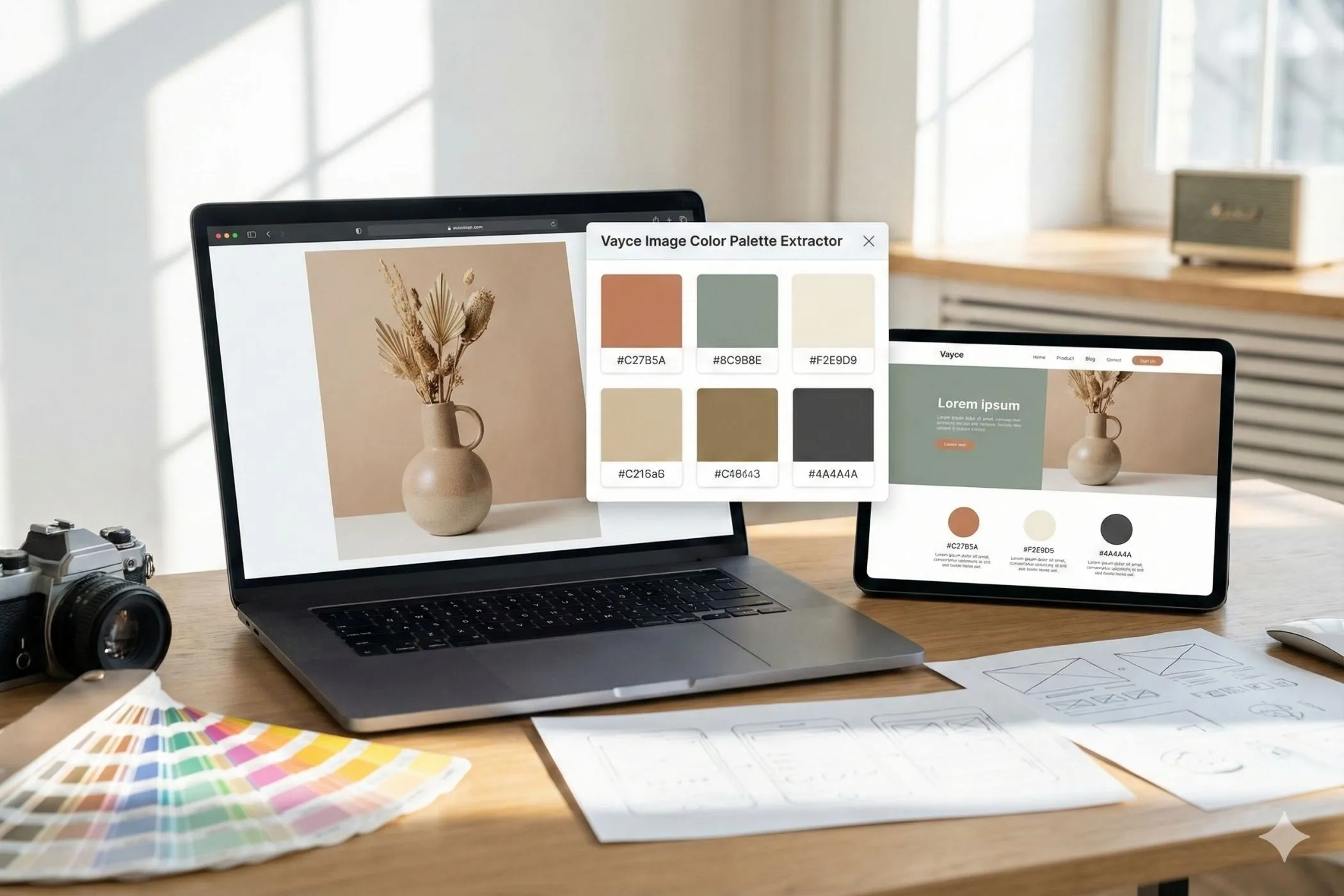
Forest green palettes that feel grounded, natural, and timeless
Forest green is one of the most dependable directions in color design. It can feel organic, calming, premium, and stable all at once. Unlike brighter greens that can feel playful or synthetic, forest green has more depth. It suggests nature, growth, and material richness without shouting for attention.
This makes it useful for projects that need to feel:
- trustworthy and established
- natural but polished
- premium without becoming cold
- calm, restorative, and grounded
Forest green works especially well for:
- Hospitality and boutique stays
- Wellness, spa, and self-care brands
- Outdoor, travel, and eco-conscious businesses
- Packaging for food, beauty, and lifestyle products
- Interiors, décor, and editorial design
If you want a palette that feels more mature than bright botanical greens and more inviting than dark corporate tones, forest green is a strong choice.
What makes a palette feel like forest green
Forest green is not just one deep green swatch. The effect usually comes from a range of related natural tones working together.
A usable forest-inspired palette often includes:
- A deep anchor green for structure and contrast
- A softer natural mid-tone such as moss, olive, eucalyptus, or pine
- A lighter support tone for backgrounds, cards, or layered sections
- A grounded neutral such as bark, stone, sand, fog, or warm gray
- A bridge shade that helps the palette move smoothly between light and dark
The goal is not to make everything green.
The goal is to make the greens feel like part of a believable environment.
That is what gives the palette its depth and makes it easier to use in real layouts.
A practical workflow for building a usable forest green palette
1. Generate until the palette has depth, not just color similarity
Click Generate until the colors look related but not repetitive.
A strong set usually gives you:
- one light natural base
- one soft support green
- one main forest tone
- one deeper grounding shade
- one bridge tone for smoother transitions
If every swatch feels like the same medium green, the palette may look consistent but still be hard to apply across a full design.
2. Refine when the mood is right but the roles are unclear
Forest green palettes often become much stronger through smaller adjustments. Use Refine when you like the direction but want the set to feel more polished.
This is especially helpful when you need:
- a clearer background tone
- a better contrast anchor
- more separation between similar greens
- a softer or more premium overall feel
3. Compare with Undo / Redo
Green palettes can shift in subtle ways. Undo and Redo make it easier to compare nearby options and keep the one that feels most balanced.
4. Export for design and production
Once the palette feels solid, export it as:
- HEX codes for Figma, Canva, Adobe tools, and moodboards
- CSS variables for websites, themes, UI systems, and design tokens
Where forest green palettes work best
Hospitality, wellness, and restorative brands
Forest green naturally communicates calm, comfort, and escape. That makes it an excellent fit for:
- hotels and villas
- spas and wellness centers
- yoga and retreat brands
- premium cafés or nature-focused hospitality
- self-care and slow-living products
These colors can make a brand feel more rooted and sensory, especially when paired with warm neutrals, natural textures, and generous whitespace.
Outdoor, travel, and sustainability-focused design
Green is an obvious choice for nature-led projects, but forest green feels more serious and lasting than brighter eco clichés.
It works well for:
- hiking and outdoor brands
- eco-conscious services
- travel identities
- sustainable packaging
- botanical or agricultural businesses
Done well, it signals care, trust, and connection to the natural world without feeling overly literal.
Packaging, interiors, and lifestyle products
Forest green can make materials feel richer.
It pairs beautifully with:
- kraft and off-white packaging
- textured paper
- wood and stone tones
- gold, brass, or bronze accents
- editorial photography and soft neutral layouts
That makes it a great option for food products, beauty, candles, home goods, ceramics, and interior concepts.
Design tips for making forest green palettes feel polished
Build the palette around value range, not just hue
The strongest green palettes do not rely on five similar greens.
They rely on clear roles such as:
- a pale background tone
- a gentle support green
- a mid forest tone
- a deep anchor shade
- a neutral that gives everything room to breathe
This structure makes the palette far more usable across pages, components, and brand assets.
Keep one deep anchor
Forest green becomes much more effective when it has a darker counterpart for:
- headings
- body text
- icons
- outlines
- strong contrast sections
This anchor might be a very deep green, green-black, bark brown, or dark earthy neutral. Without it, the palette can become soft and vague.
Let neutrals support the greens
A common mistake is forcing every role to be green.
Instead, support the palette with tones like:
- warm white
- stone
- oat
- fog gray
- bark brown
- sand
These make the greens feel more premium and prevent the design from becoming too dense.
Use richer greens for emphasis, not everything
A saturated forest tone can be beautiful, but using it everywhere can make the layout feel heavy.
Save the strongest green for:
- calls to action
- selected states
- key highlights
- badges
- important focal points
Then use softer greens and neutrals for the rest of the system.
Common forest green palette problems (and how to fix them)
“It feels muddy.”
- Add more light-to-dark separation and remove some overly similar mid tones.
“It feels too dark and heavy.”
- Introduce lighter natural backgrounds and softer support colors so the deep greens have breathing room.
“It looks too generic or predictable.”
- Pair forest tones with richer neutrals such as bark, clay, oat, or fog instead of default gray.
“It feels too eco cliché.”
- Shift the palette toward deeper, quieter greens and more premium neutrals rather than bright leaf-like accents.
“The text doesn’t stand out enough.”
- Keep one stronger dark anchor for typography and structure instead of relying only on medium greens.
Accessibility still matters in green palettes
Forest-inspired color systems can feel calm and beautiful, but readability still comes first.
Before exporting your colors, check that:
- text is clearly readable on light backgrounds
- buttons stand out from nearby surfaces
- borders and inputs remain visible
- hover and selected states are easy to notice
- charts, badges, and labels do not rely only on tiny green differences
A palette can feel natural and refined while still maintaining strong visual hierarchy.
A useful way to assign roles before exporting
Before you copy the palette into a project, decide what each swatch is meant to do.
A simple five-color system could be:
- Color 1: background
- Color 2: surface or card tone
- Color 3: support green for subtle emphasis
- Color 4: primary accent or action color
- Color 5: dark anchor for text and structure
That makes it much easier to apply the palette consistently across websites, product pages, printed materials, packaging, and presentations.
Create a green palette that feels natural
If you want colors that feel grounded, calm, and quietly premium, forest green is a strong direction. Use Generate to explore fresh sets, Refine to tighten the relationships between swatches, and Undo / Redo to compare options until the palette feels balanced and believable.
When the colors are ready, export the HEX codes or CSS variables and use them in your next hospitality brand, wellness project, packaging concept, interior moodboard, or nature-led website.